

The short answer
A commissary kitchen is a licensed, inspected commercial kitchen that serves as the fixed base of operation for a mobile food business. Health authorities across North America generally require food trucks and mobile vendors to work from one — for food prep, cold and dry storage, dishwashing, potable water refills and wastewater disposal.
- Permit condition Most jurisdictions will not issue or renew a mobile permit without a commissary agreement on file.
- What it is for Potable water, greywater disposal, cold and dry storage, and the warewashing a truck cannot do.
- A useful floor Georgia sets the minimum at a dump station or mop sink, a handwashing sink and a potable water tap.
- Pricing Usually hourly or a monthly membership; hourly keeps production a variable cost while volume is unpredictable.
- Contract stability is a licensing question Vancouver Coastal Health suspends the mobile permit if the commissary agreement is cancelled.
Commissary kitchen rental is how most operators get that base. Rather than building and permitting a facility of your own, you rent hours or a monthly membership in someone else's licensed kitchen, and your permit application points at their address. Here is what that arrangement actually buys you, what it tends to cost, and what to check before you sign.
Why do food trucks and mobile vendors need a commissary kitchen?
A food truck commissary kitchen is not an upgrade you buy once you grow — in most places it is a precondition of getting a permit at all. A truck is a small, mobile, water-limited box. It carries a finite fresh-water tank, has no connection to a sanitary sewer, and rarely has the refrigeration or the sink capacity to serve as a whole production facility. Regulators close that gap by requiring a fixed, inspected premises behind the mobile unit.
The Georgia Department of Public Health puts it plainly in its mobile food service FAQ: "you are required to have a Base of Operation or Commissary," and it "should be within a reasonable distance from where you want to operate your unit/truck, since you will need to make daily trips to dump wastewater, refill water tanks and restock supplies." Permits are issued for both the base and the truck.
The Canadian framing is much the same. Vancouver Coastal Health requires a commissary or base-of-operation agreement covering food storage, preparation, cleaning and sanitizing, and is explicit that all food and equipment used for the operation must be stored at the commissary — home food production and storage is not permitted.
Treat the specifics as local, not universal. The requirement to have a base is close to standard across North America; the details are not. Georgia, for example, does not allow two separate permit holders to share space and equipment at a base of operation, for traceback reasons in an outbreak — a rule that would surprise an operator used to a shared-kitchen model elsewhere. Before you sign anything, confirm the rules with the health authority that will issue your permit.
What does a commissary kitchen actually provide?
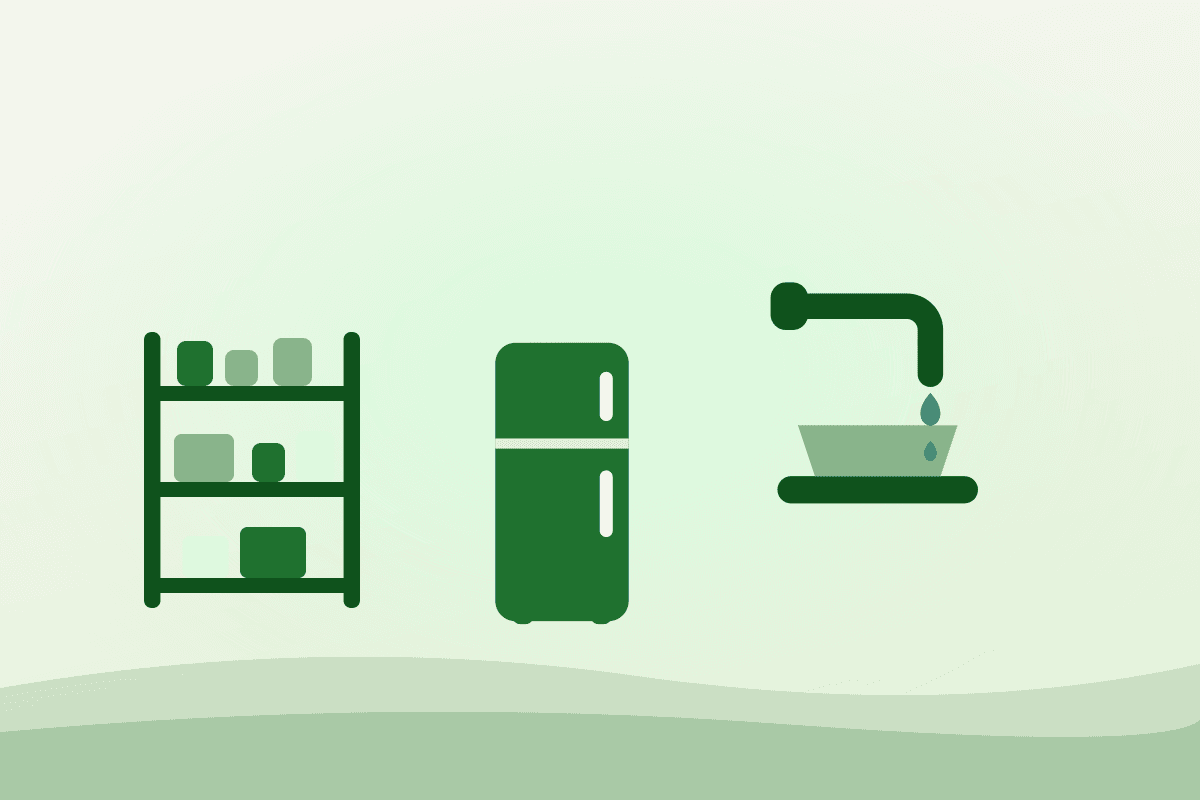
Strip away the marketing and a commissary does five practical jobs for a mobile vendor:
- Prep and cooking space. Batch work that will not fit in a service window: stocks, sauces, doughs, portioning, packaging.
- Cold and dry storage. Somewhere your inventory legally lives between services, since it cannot live in your house.
- Warewashing. Three-compartment sinks and space for the sheet pans, hotel pans and stock pots that the truck's sinks were never sized for.
- Water services. A potable fill point for the fresh tank and an approved dump for greywater — plus, at most facilities, grease disposal for used cooking oil.
- Truck servicing, sometimes parking. Cleaning the unit itself, and at some sites a place to leave it overnight.
Georgia's FAQ describes the minimum bluntly: a dump station or mop sink, a handwashing sink, and a potable fresh water supply tap, with the rest driven by your menu and the equipment on your truck. Use that as a floor when you tour a facility, then ask what your own inspector will want on top of it.
30%
of US food businesses surveyed in a shared kitchen had been there one to two years
USDA AMS with Colorado State University and The Food Corridor, 2023 — 179 US businesses
Source26%
had been there three to five years
USDA AMS with Colorado State University and The Food Corridor, 2023 — 179 US businesses
Source14%
stayed beyond five years
USDA AMS with Colorado State University and The Food Corridor, 2023 — 179 US businesses
SourceHow much does commissary kitchen rental cost, and how is it priced?
Two pricing models dominate. Hourly booking charges for the production hours you actually use, which suits a seasonal or weekend operation and keeps kitchen time a variable cost that scales with sales. Monthly membership buys a block of access, often bundled with a storage allowance and sometimes parking, and gets cheaper per hour the more you use it.
Rates vary enormously by market and by what is bundled in, so the number that matters is not the headline hourly rate — it is the rate plus storage, plus any parking fee, plus the deposit or insurance you have to carry. Two facilities quoting the same hourly figure can be far apart once storage and water services are priced in.
On Food Web, how fees work is published rather than negotiated per booking. If you want to sanity-check a quote from the other side of the table, the rental kitchen revenue calculator shows what a kitchen owner is trying to earn from the hours they let out — useful context when you are deciding whether a rate is fair or simply high.
What should you check before signing with a commissary kitchen?
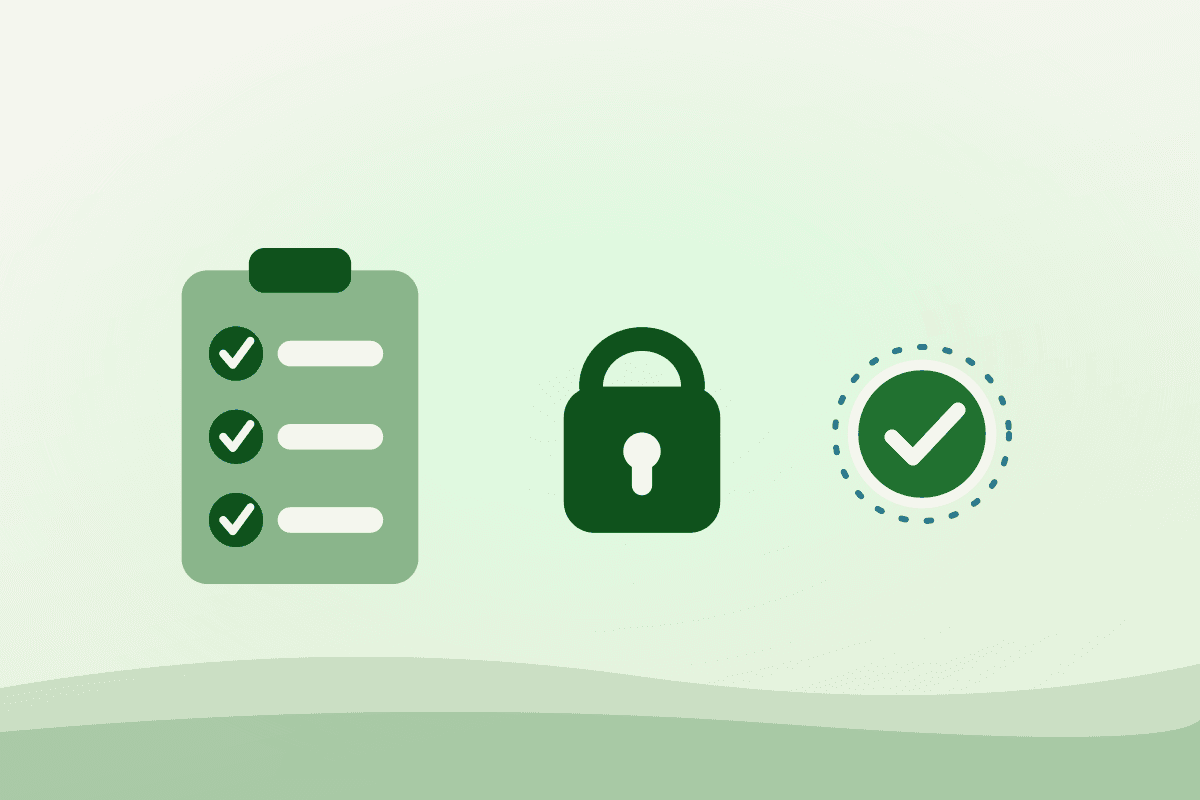
Five things separate a commissary that works from one you will be trying to leave in four months.
1. Health department standing
Is the facility permitted and inspected, and will the operator sign the agreement your health authority requires? Ask to see it in writing before you commit. A kitchen that hesitates here is a kitchen that will not survive your plan review.
2. Hours of access
Mobile vendors work early and late. A facility that is only open 9-to-5 on weekdays is not a base of operation for a business that services a Saturday festival and needs the truck cleaned that night. Ask specifically about weekend and overnight access, and whether it costs extra.
3. Storage security
Shared storage is where inventory quietly disappears. Ask whether your dry and cold storage is lockable, assigned and yours alone, and what happens to it if you miss a payment.
4. Contract flexibility
This is the one people underrate, because it is not really a commercial term — it is a licensing term. Vancouver Coastal Health treats the commissary agreement as non-transferable and voids it on a change of ownership of either party, and modification or cancellation by either side suspends the mobile permit until a new agreement is approved. In other words, if your commissary sells, closes or terminates you, your truck can stop being legal to operate. Ask about notice periods and what happens on a change of ownership.
5. Deposits and insurance
Know what is held, when it is released, and what triggers a deduction. Food Web publishes how deposits and holds work rather than leaving it to a per-kitchen conversation; if you are renting elsewhere, get the same detail in writing.
How is this different from renting a restaurant or café kitchen off-hours?
A commissary is defined by vehicle servicing. A restaurant kitchen on its dark day, or a café kitchen after close, gives you excellent prep space and often a better rate — but usually no potable fill point sized for a truck tank, no approved greywater dump, and nowhere to park.
| What you need | Commissary | Restaurant or café off-hours |
|---|---|---|
| Licensed prep space | Yes | Yes |
| Cold and dry storage | Usually included or add-on | Sometimes, often limited |
| Potable water fill and greywater dump for a truck | Typically yes | Rarely |
| Truck parking and cleaning | Sometimes | Rarely |
| Off-peak availability and price | Set by the facility | Often cheaper, tied to their closed days |
So the honest answer is: if you need vehicle servicing, you need a commissary. If your mobile unit is a cart, a stall or a trailer that does not carry water, an off-hours kitchen may cover everything you actually need — and there are far more of them. We have written separately about restaurant kitchen rental and café kitchen rental if that is the shape of your operation.
Either way, look wider than dedicated commissaries when you search. Searching for commissary kitchen rental near me will surface purpose-built facilities first, and in most cities there are only a handful. Community halls, legion branches, church kitchens and restaurants with dark days are all permitted spaces that sit unused most of the week, and in most cities one of them is closer than the nearest purpose-built commissary. You can rent a kitchen by the hour or browse licensed kitchens to see what is near you before you commit to anything.
Once you know you need a commissary, the next job is shopping for one. How to find and vet a commissary kitchen near you covers where the approved lists live, and the kitchen rental guides hub compares the other ways to buy licensed production time.
Frequently asked questions
- Is a commissary kitchen legally required for a food truck?
- In most jurisdictions, yes — a mobile food unit must operate from a licensed base of operation, and the health department will not issue or renew your permit without an agreement on file. Georgia's Department of Public Health, for example, requires permits for both the base of operation and the truck itself. The precise requirement is set locally, so confirm it with the health authority that will issue your permit rather than assuming another state or province's rule applies.
- How much does commissary kitchen rental cost?
- It is normally priced hourly or as a monthly membership, and rates vary widely by market and by what is bundled in. Compare the total rather than the headline rate: hourly or membership fee, plus dry and cold storage, plus any parking charge, plus deposits or insurance you have to carry. Two facilities quoting the same hourly figure can differ substantially once storage and water services are included.
- Can I share a commissary kitchen with other food trucks?
- Often, but not always — this is one of the details that genuinely varies. Georgia does not allow two separate permit holders to share space and equipment at a base of operation, citing liability and traceback in the event of a foodborne illness outbreak. Other authorities are comfortable with shared and multi-tenant facilities. Ask your local health authority before you assume a shared model is available to you.
- How do I find a commissary kitchen near me?
- Start with your health authority: many keep a list of permitted facilities, and your inspector will know which ones already host mobile units. Then widen the search beyond purpose-built commissaries to restaurants with dark days, cafés, community halls and church kitchens, which are permitted spaces sitting idle most of the week. You can also browse licensed kitchens on Food Web to see what is listed near you.
- Can I use my own home kitchen as a commissary?
- Generally not. Vancouver Coastal Health states that home food production and storage is not permitted for mobile food premises. Georgia prohibits food service operations in a private home, though it may allow a completely separate structure on your property — such as an outbuilding — if local zoning permits and wastewater and drinking water requirements are met. Treat a home base as the exception that needs explicit approval, not the default.
- How is this different from the "commissary kitchen near me" guide?
- This guide is about the product: why regulators require a base of operation, what a commissary provides a mobile unit, how it is priced and what to check in the agreement. The near-me guide is about the search itself — which regulator lists exist, how to widen the shortlist, and how to confirm a specific kitchen will be accepted where you operate.
Find a licensed base for your truck
If your next constraint is licensed production space rather than a bigger service window, start by looking at what is actually near you. Rent a kitchen on Food Web to book only the hours you need, or create an account to save the kitchens you are considering and message the owners directly.
Sources
- Mobile Food Frequently Asked Questions — Georgia Department of Public Health
- Mobile food premises permits and health approvals — Vancouver Coastal Health
- Shared Kitchens: An Overview — USDA Agricultural Marketing Service, Colorado State University and The Food Corridor

Written by
Justin Andrews
Kitchen access and local food infrastructure, Atlantic Canada
Justin Andrews is a chef-turned-founder who has spent the last decade working across farms, markets, restaurants, nonprofits, and academic research. He’s now the CEO of Food Web, a platform built to unlock underused commercial kitchens and strengthen local food systems. Justin writes about food, entrepreneurship, and the work of building resilient local economies.
Next step
Find a licensed kitchen and skip most of this cost
Licensed kitchens listed with real rates and real availability. Listing is free for owners; renters pay only for the time they book.
No listing fees · 12% on completed bookings · Refunds inside the notice window