


The short answer
Hourly kitchen rental is booking a licensed commercial kitchen by the hour or the shift instead of holding it under a monthly membership or a lease. You pay for the blocks you actually cook in, usually with a minimum booking length. It suits food businesses whose production is irregular, seasonal or still growing.
- What you buy Defined blocks of time. Nothing carries over to next week unless you book it again.
- The minimum booking Usually costs you more than the hourly rate does — a four-hour minimum on a two-hour job doubles your cost per batch.
- Storage is the breaking point If you cannot leave stock on site, every booking starts and ends with a load-in and a load-out.
- Hourly vs monthly Hourly wins on flexibility and cash flow; monthly wins once your schedule becomes predictable.
- Get in writing The cancellation window, the cleaning expectation and the deposit terms — before the first booking.
It is the lowest-commitment way into licensed production space, which is exactly why so many food businesses start there. It is also the model people most often misjudge, because the hourly rate is the least interesting number on the invoice. This guide covers how pay-by-the-hour bookings actually work, what drives the total you pay, how hourly compares with a monthly plan, and the rules to expect once you are on the floor.
How does hourly kitchen rental actually work?
The kitchen publishes the time it has free and you book the blocks you need. A booking is a defined window with a start and an end: a three-hour morning block, an overnight shift, a full Sunday. When it ends, the space goes back to the operator and to whoever booked next. That is the whole model, and everything else is a consequence of it.
Almost every operator sets a minimum booking length, because a single hour rarely covers set-up, production and clean-down. Many also leave a buffer between renters so one is out before the next arrives. Those two rules shape your schedule far more than the rate on the listing. If the minimum is four hours and your bake takes two, you are buying four.
What a booking usually includes
What you are renting is generally the shared production floor and its fixed equipment, not the building. Before you assume a slot works for your menu, confirm each of these:
- Fixed equipment. Ovens, ranges, hoods and prep surfaces are normally part of the space. Specialist equipment often is not.
- Dish and warewashing access. Usually included, but the time it takes comes out of your booked hours.
- Storage. Dry, cold and frozen storage are frequently priced separately from the hours, or not offered to hourly renters at all.
- Access hours. A kitchen that is only reachable between nine and five is a different product from one with an entry code and overnight access.
54%
of US shared-kitchen operators sell prepaid monthly plans with no rollover of unused hours
The Food Corridor, Shared Kitchen Toolkit — United States only
Source39%
offer a pay-as-you-go option, aimed at irregular, seasonal or one-time users
The Food Corridor, Shared Kitchen Toolkit — United States only
Source28%
charge different rates for peak and off-peak hours
The Food Corridor, Shared Kitchen Toolkit — United States only; off-peak is typically 7pm–5am
SourceHow much does it cost to rent a commercial kitchen by the hour?
There is no single going rate, and anyone quoting one is really describing their own market. Hourly pricing follows the city, the equipment on the floor, whether storage is bundled in, and how much demand the operator already has. A purpose-built production kitchen downtown and a community hall kitchen an hour out of town are both hourly kitchen rental, and they will not price alike.
What is more consistent is the shape of the bill. Alongside the hourly rate, expect some combination of a minimum booking length, separately priced storage, a refundable damage deposit, a cancellation fee inside a set window, a cleaning charge if the space is not returned to standard, and a one-off onboarding or orientation fee before your first shift.
So compare kitchens on the total for a realistic week of production, not on the headline rate. A cheaper rate with a six-hour minimum and no cold storage can easily cost more per case than a higher rate with a two-hour minimum and a shelf in the walk-in.
The fastest way to see real numbers is to look at live listings rather than averages. You can browse commercial kitchens on Food Web to compare what nearby spaces charge and what each one includes, and how fees work on the platform is published up front instead of negotiated booking by booking.
Interactive · What hourly kitchen time costs in Nova Scotia
- Kitchen timeMedian of the seven Nova Scotia kitchens published on Food Web in September 2026, which range from $22.50 to $35.00 an hour
- $15,600
- Nova Scotia food establishment permitFrom $27.57 for a one-day temporary event to $220.66 for a full eating establishment; valid one year, on-site inspection required before issuance
- $28–221
Estimated year one
$15,628–15,821
Nova Scotia · Packaged food · estimates before tax, from the figures in this article.
See kitchens you can book by the hourHourly vs. monthly kitchen rental: which is right for your business?
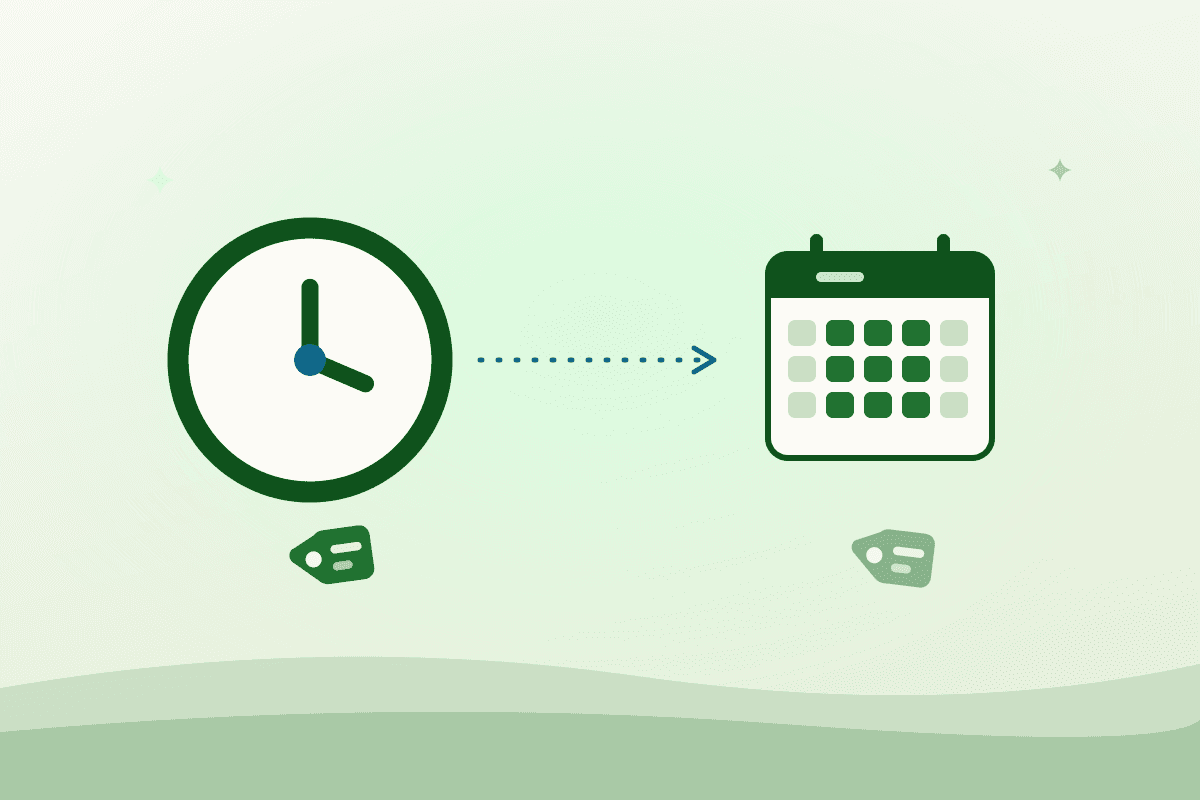
This is less a pricing question than a predictability question. Hourly is priced for uncertainty; a monthly plan is priced for commitment. Four factors usually decide it:
- Volume and rhythm. If you cook the same three shifts every week, you are already behaving like a monthly renter and probably paying a premium not to be one. If your output swings with markets, events or seasons, hourly protects you in the quiet months.
- Storage. This is the factor most people underweight. Monthly plans more often come with a shelf, a cage or freezer space. Without somewhere to leave stock, your ingredient buying, packaging and vehicle all have to absorb the difference.
- Schedule certainty. Popular blocks get taken. Hourly renters compete for the same evenings and weekends every week, while a monthly arrangement usually locks in a recurring slot. If losing your Thursday night would break a delivery promise, flexibility is costing you reliability.
- Cash flow. Hourly keeps kitchen cost variable and tied to revenue, which matters when you are still proving the product. A monthly fee is a fixed cost that arrives whether the orders do or not.
The same question looks different from the other side of the counter. If you own a kitchen and are deciding whether to sell hours or months, the rental kitchen revenue calculator models what each mix is worth across a week, which is also a useful way to understand why an operator has priced their hours the way they have.
You do not have to choose once and for all. Plenty of businesses start hourly, watch which blocks they book three months running, and convert those into a standing arrangement with the same kitchen.
What kitchen rental rules should you expect when booking by the hour?

Kitchen rental rules exist because the next renter walks in behind you, and because the operator's licence is on the line for what happens in the room. They vary by kitchen and by jurisdiction, but they cluster into the same handful of areas.
- Sanitation and clean-down. You return the space to a defined standard inside your booked time, not after it. Ask what that standard is and how it is checked, because this is where cleaning fees come from.
- Equipment limits. Some equipment needs training or is off limits to hourly renters entirely. Confirm before you build a recipe around it.
- Storage and labelling. Anything you leave on site normally has to be sealed, dated and labelled with your business name. Unlabelled stock tends to be discarded, and that is usually written into the agreement.
- Licensing and insurance. The kitchen's licence covers the kitchen. It does not automatically cover your business operating inside it. Most operators require renters to carry their own liability cover and to hold whatever permit their own regulator requires.
- Cancellation and no-shows. An empty block is lost revenue for the operator, so cancellation windows are usually firm. Know yours before you book around a delivery that might slip.
Most kitchens also hold a refundable deposit against damage or a space left below standard. It is worth understanding how that is handled before you hand it over — how deposits work on Food Web sets out when a deposit is taken, when it is released and what can be deducted.
Where hourly rental sits in the wider picture
Hourly is one billing model inside a larger decision about where your food gets made. If you are earlier in that decision — still working out what licensed space you need, what a commissary provides, or how shared kitchens are structured — start with the complete guide to commercial kitchen rental. If you already know you need production hours and are choosing how to buy them, the comparison above is the faster route.
The neighbouring guides in the kitchen rental guides hub cover the other ends of the same decision: what makes a kitchen licensed if the permit is your real question, commissary kitchen rental if you run a truck, and a commercial kitchen for lease once hourly booking stops being enough.
Frequently asked questions
- Is hourly kitchen rental cheaper than a monthly plan?
- Only up to a point. Hourly is cheaper while your usage is low or irregular, because you pay for nothing you do not book. Once you are booking the same blocks every week, a monthly plan usually costs less per hour and often includes storage. The crossover depends on the operator, so compare both on a realistic week of production.
- Can I store ingredients between hourly bookings?
- Sometimes, but never assume it. Storage is often priced separately from the hours and is not always offered to hourly renters. Where it is available, expect rules about sealing, dating and labelling everything with your business name. If you cannot store on site, budget time and vehicle space for a load-in and load-out around every booking.
- Do I need my own liability insurance to rent a kitchen by the hour?
- Usually yes. The kitchen's licence and insurance cover the facility, not your business operating inside it, so most operators require renters to carry their own liability cover and to name the kitchen where relevant. Requirements vary by operator and jurisdiction, so ask what cover and what limits they expect before your first booking.
- How far in advance should I book an hourly kitchen?
- Far enough ahead to secure the blocks you actually need, which in practice means the busiest slots go first. Evenings, weekends and the days before major markets or holidays are the hardest to get. If a particular block is load-bearing for your orders, book it as a recurring slot rather than week to week.
- What happens if I leave the kitchen in poor condition?
- Most agreements allow the operator to charge a cleaning fee or deduct from your deposit, and repeated issues can end your access. Clean-down is expected to happen inside your booked time, not after it, so build it into the hours you book rather than treating it as an extra fifteen minutes at the end.
- What does an hour of commercial kitchen time cost in Canada?
- There is no national rate, and the honest answer is to look at live listings in your own market. As a published reference point, the seven Nova Scotia kitchens listed on Food Web in September 2026 ranged from $22.50 to $35.00 an hour. Treat that as one province at one moment, not a benchmark, and compare kitchens on the total for a realistic week of production rather than on the hourly figure.
Find a kitchen you can book by the hour
If production hours are your next constraint, find a commercial kitchen to rent on Food Web and compare restaurant, community and purpose-built kitchens renting out time near you. When one fits your menu and your schedule, create a free account to request your first block.
Sources
- Shared Kitchen Toolkit — Pricing Models — The Food Corridor
- Food Establishment Permit — Nova Scotia Environment and Climate Change

Written by
Justin Andrews
Kitchen access and local food infrastructure, Atlantic Canada
Justin Andrews is a chef-turned-founder who has spent the last decade working across farms, markets, restaurants, nonprofits, and academic research. He’s now the CEO of Food Web, a platform built to unlock underused commercial kitchens and strengthen local food systems. Justin writes about food, entrepreneurship, and the work of building resilient local economies.
Next step
Find a licensed kitchen and skip most of this cost
Licensed kitchens listed with real rates and real availability. Listing is free for owners; renters pay only for the time they book.
No listing fees · 12% on completed bookings · Refunds inside the notice window