The short answer
The farmers market Vancouver shoppers mean is usually one of seven run by Vancouver Farmers Markets — Trout Lake, Riley Park, Mount Pleasant, Kitsilano, West End, False Creek and Downtown. Most run roughly April or May to late October or early November. Granville Island's Public Market, by contrast, trades year-round.
- One organisation runs most of them Vancouver Farmers Markets, at eatlocal.org, has been running markets in the city since 1995.
- The season is April to November Trout Lake and Riley Park open earliest (early April); most close between 29 October and 1 November.
- Downtown runs latest The Downtown market trades Wednesdays 2pm–6pm and runs through to 23 December.
- Winter markets exist Riley Park Winter and Kitsilano Winter carry the season on, though dates are published separately.
- Coupons stretch the budget The BC Farmers' Market Nutrition Coupon Program gives enrolled households up to $27 a week for up to 16 weeks.
$27
per week, for up to 16 weeks, in market coupons
BC Farmers' Market Nutrition Coupon Program, run by the BC Association of Farmers' Markets. Amounts vary by community partner.
Source95+
BC communities served by the coupon program
BC Association of Farmers' Markets — reaching over 30,000 people from more than 12,000 households.
Source1995
the year Vancouver Farmers Markets started
Vancouver Farmers Markets — "bringing local food and local folks together since 1995".
SourceVancouver has more market days than most Canadian cities its size, and almost all of them belong to one organisation. Knowing that saves a lot of searching: once you know the operator, you know the season, the vendor mix and where to check for changes. Here is the shape of it.
What farmers markets operate in Vancouver?
Seven of them are run by Vancouver Farmers Markets, the non-profit behind eatlocal.org, which has been "bringing local food and local folks together since 1995". The farmers market Vancouver residents name most often is Trout Lake, in John Hendry Park, but the organisation also runs Riley Park, Mount Pleasant, Kitsilano, West End, False Creek and Downtown, plus winter editions at Riley Park and Kitsilano. It also runs a Fresh to Families program for local households facing food insecurity, which supported 200 families in 2024.
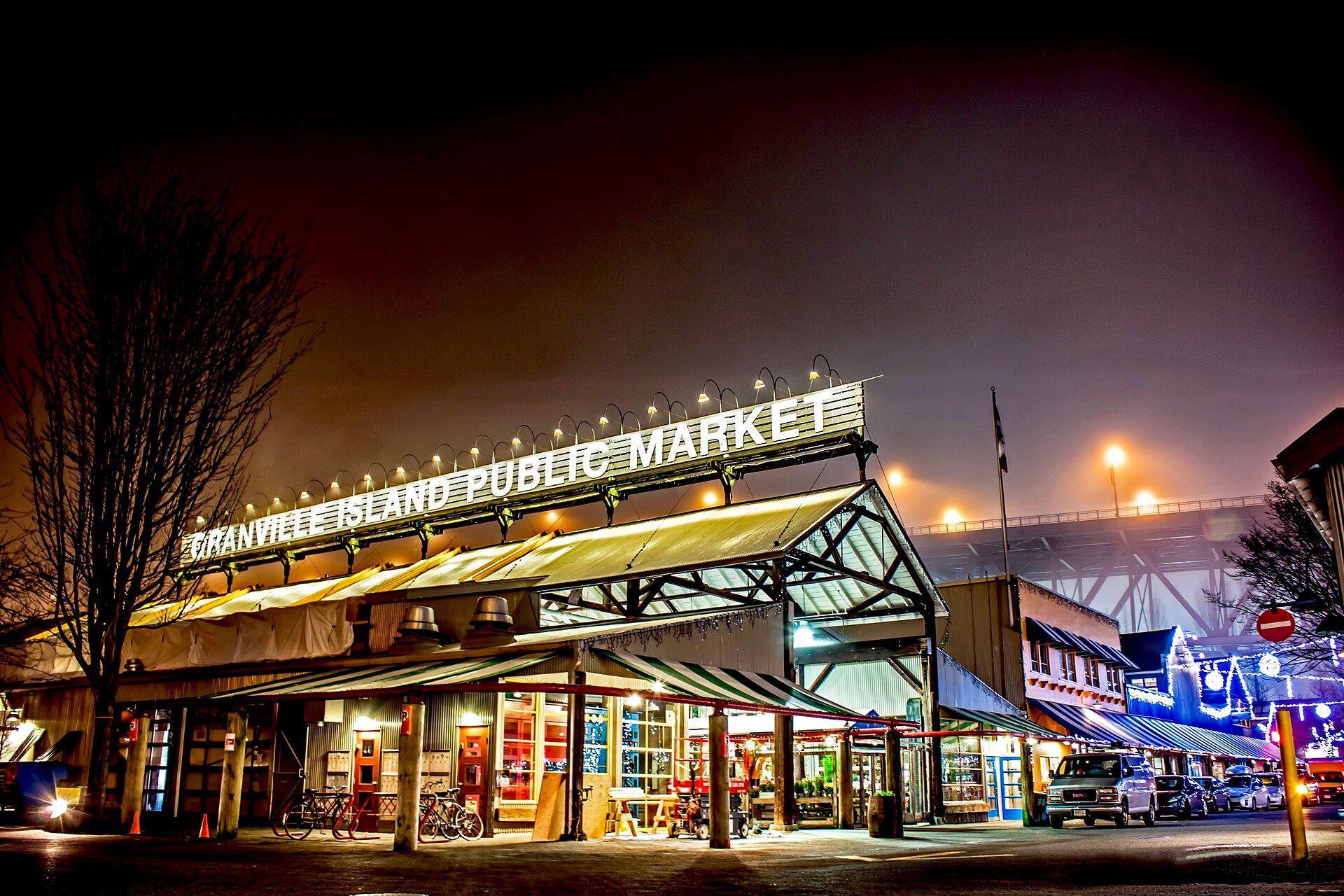
Separate from all of that is the Granville Island Public Market, which is a different animal: a permanent indoor market of farmers' stalls and Market Artisans, open 9am to 6pm rather than on a market day. It trades on every statutory holiday except 25 and 26 December and 1 January, and closes only on Mondays in January for annual maintenance. It is the right place to send someone in February, and the wrong answer if what they want is a grower standing behind their own table.
When and where are Vancouver's farmers markets open?
Season dates as Vancouver Farmers Markets publishes them are below. Days and hours are confirmed per market on each market's own page and shift between seasons, so treat the dates as the dependable part and check the hours before you set out.
| Market | Season | Day and hours |
|---|---|---|
| Trout Lake (John Hendry Park) | 4 Apr – 31 Oct | Check the market page |
| Riley Park | 4 Apr – 31 Oct | Check the market page |
| Kitsilano | 3 May – 1 Nov | Check the market page |
| Mount Pleasant | 3 May – 1 Nov | Check the market page |
| West End | 2 May – 31 Oct | Check the market page |
| False Creek | 14 May – 29 Oct | Check the market page |
| Downtown | 13 May – 23 Dec | Wednesdays, 2pm – 6pm |
Two practical notes. The Downtown market runs more than seven weeks past the others, which makes it the November and December option. And Riley Park Winter and Kitsilano Winter appear in the organisation's navigation without dates on the index — if you are shopping in January, those are the two to look up directly.
If cost is the thing keeping you out of a market, the BC Farmers' Market Nutrition Coupon Program is worth knowing about. Run by the BC Association of Farmers' Markets with community partners and supported by the Province, it gives enrolled lower-income families, pregnant people and seniors up to $27 a week for up to 16 weeks, spendable at participating member markets on vegetables, fruit, nuts, eggs, dairy, herbs, honey, meat, fish and vegetable and fruit plants. Coupons are distributed by local community partners rather than by the association, demand outstrips funding, and the program now serves over 95 communities.
What does Vancouver's local food scene look like on a map?
Food Web's Asset Map records Vancouver's food businesses and organisations alongside those markets, and the honest headline is that most of what has been recorded in the city is not yet classified. Of the entries that are, grocery and retail is the biggest group, with community food organisations behind it, then restaurants, bakeries, community gardens and a handful of farms and farm stands at the city's edge.
Food Web map
Vancouver's mapped food landscape, British Columbia
One caveat worth stating plainly, because it affects how you read the map: the market layer as recorded mixes the seasonal farmers markets with year-round produce shops and corner grocers that carry "market" in their name. A pin labelled as a market in Vancouver is as likely to be a greengrocer open six days a week as a Saturday stall. For the seasonal markets themselves, the dates above and Vancouver Farmers Markets' own pages are the authority; the map is the better tool for the surrounding food economy those markets sit inside.
That is also why classification work matters more than it sounds. Every entry someone corrects makes the next search better. The Vancouver food map page keeps a live view of what has been recorded so far.
How does Vancouver compare with other Canadian market cities?
Vancouver's model — one non-profit operating most of the city's market days, with a separate permanent public market alongside — is tidier than Toronto's, where markets run under several different operators, and quite unlike Montreal's, built around large year-round public markets. The practical upshot for a shopper is that in Vancouver one website covers almost everything. Other cities are collected in Food Maps.
Frequently asked questions
- When is the Trout Lake farmers market open?
- Vancouver Farmers Markets publishes a Trout Lake season of 4 April to 31 October, at John Hendry Park. Along with Riley Park it is one of the two markets that open earliest in the year. Day and hours are confirmed on the market's own page and can change between seasons.
- Which Vancouver farmers market runs latest in the year?
- The Downtown market. Vancouver Farmers Markets lists its season as 13 May to 23 December, Wednesdays from 2pm to 6pm — more than seven weeks beyond the other outdoor markets. Riley Park Winter and Kitsilano Winter also appear in the organisation's listings, with dates published separately.
- Is Granville Island a farmers market?
- Not in the usual sense. The Granville Island Public Market is a permanent indoor market of farmers' stalls and Market Artisans, open 9am to 6pm rather than on a weekly market day. It trades on every statutory holiday except 25 and 26 December and 1 January, closing only on Mondays in January for maintenance. It is the reliable winter option, but it is not a seasonal farmers market.
- Can I use nutrition coupons at Vancouver farmers markets?
- Yes, at participating BC Association of Farmers' Markets member markets. The BC Farmers' Market Nutrition Coupon Program gives enrolled lower-income families, pregnant people and seniors up to $27 a week for up to 16 weeks, spendable on vegetables, fruit, nuts, eggs, dairy, herbs, honey, meat and fish. Local community partners distribute the coupons.
Sources
- Vancouver Farmers Markets — Vancouver Farmers Markets
- BC Farmers' Market Nutrition Coupon Program — BC Association of Farmers' Markets
- Granville Island Public Market — Granville Island

Written by
Justin Andrews
Kitchen access and local food infrastructure, Atlantic Canada
Justin Andrews is a chef-turned-founder who has spent the last decade working across farms, markets, restaurants, nonprofits, and academic research. He’s now the CEO of Food Web, a platform built to unlock underused commercial kitchens and strengthen local food systems. Justin writes about food, entrepreneurship, and the work of building resilient local economies.
Next step
See every food asset near you on one map
Commercial kitchens, farms, markets and processors, mapped and updated weekly.
No listing fees · 12% on completed bookings · Refunds inside the notice window