
The short answer
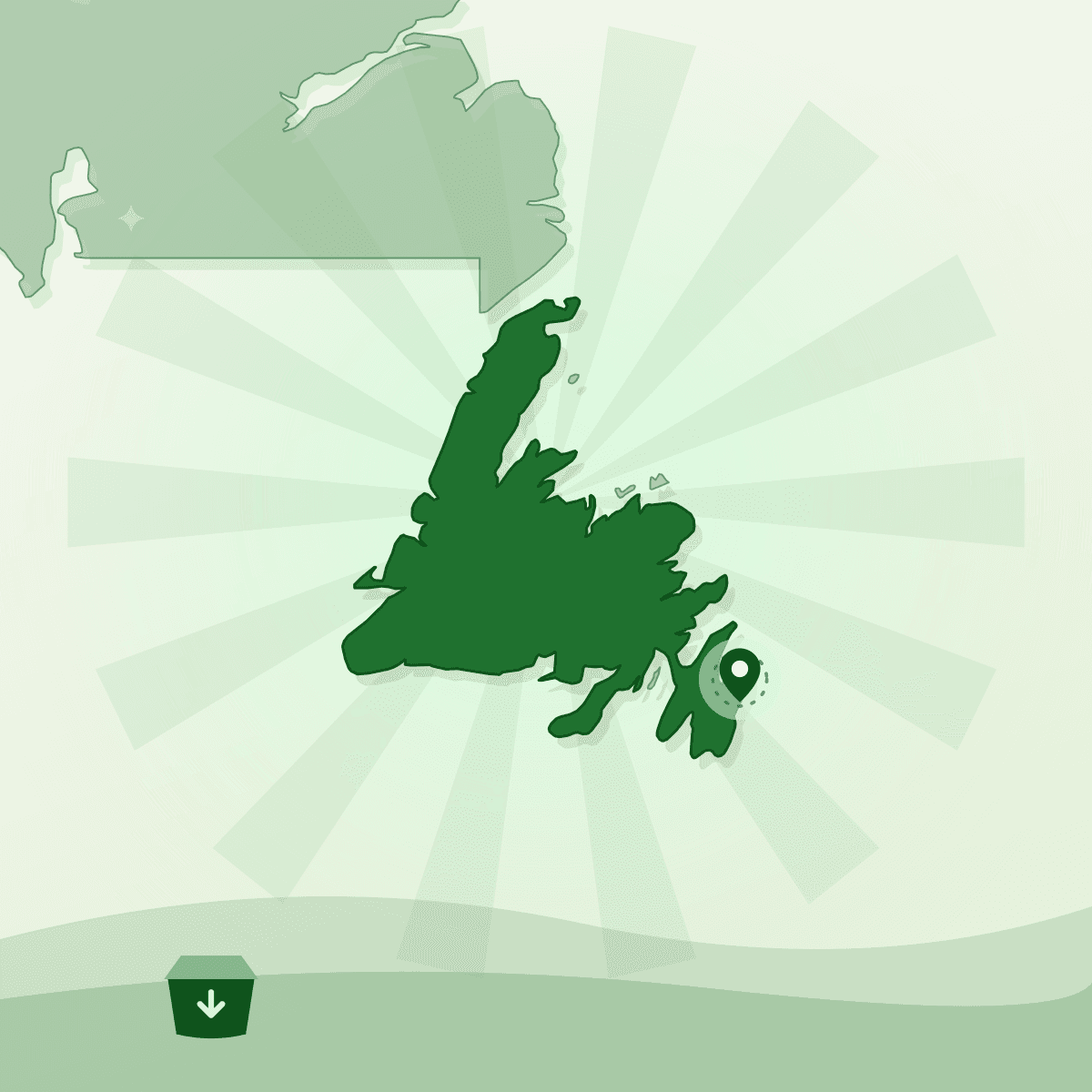
Food support in Corner Brook runs through the Bay of Islands food bank network and the Salvation Army's Friendship Room Soup Kitchen — the network for hampers, the Friendship Room for meals. Both sit inside the province-wide Community Food Sharing Association, which supplies food banks across Newfoundland and Labrador rather than serving individuals directly.
- Hampers and meals are different doors Hamper support runs through the Bay of Islands food bank network; the Salvation Army's Friendship Room is a soup kitchen, not a hamper service.
- CFSA supplies, it does not serve The Community Food Sharing Association moves bulk food out to member food banks across the province. The door you knock on is the local one.
- Call ahead Neither local network publishes a full public schedule. CFSA's Find Food directory and 211 Newfoundland and Labrador both list current contacts.
- Not one mapped grocer Corner Brook's mapped food system is markets, community gardens, restaurants, cafés and nonprofits rather than supermarkets.
- Gardens and markets sit upstream of emergency food They are not hampers, but in a city with no mapped grocer they carry more weight than they would elsewhere.
15,422
visits to Newfoundland and Labrador food banks in March 2025
Food Banks Canada, HungerCount 2025 — 8.3% more than March 2024 and 44.1% more than March 2019.
Source19.4%
of food bank clients report employment as their main income
Food Banks Canada, 2025 — up from 12.2% in 2019.
Source24.0%
of Canadians in food-insecure households
Statistics Canada, 2024 — about 9.8 million people reporting some form of household food insecurity.
SourceThe food bank Corner Brook residents are usually pointed toward is not a single storefront but a ministerial-association network serving the Bay of Islands, backed by a provincial supply chain most people never see. This guide names the real organisations here, explains how that province-wide network behind them works, and shows what else in the local food system supports food access on the west coast.
What food banks and food-support programs serve Corner Brook and the Bay of Islands?
Three organisations carry most of the direct food support mapped in the city, and it helps to know which does what before you make a trip:
- The Food Bank Network of the Bay of Islands Ministerial Association, Inc. — 469 Curling Street, in the Curling end of the city. The full legal name is worth knowing when you are searching charity registries or directing a donation.
- Bay of Islands Food Bank Network — listed at 6 Herald Avenue, nearer the centre of town. This is the same network under its everyday working name.
- Salvation Army Friendship Room Soup Kitchen — 177 O'Connell Drive. This is a community meals program rather than a hamper service, a distinction worth understanding before you go.
Hours and intake rules change, and neither network publishes a full public schedule, so call before a first visit rather than turning up. The Community Food Sharing Association maintains a province-wide Find Food directory listing food banks by region with a named contact and phone number for each, and 211 Newfoundland and Labrador can route you to the closest currently operating option.
Demand across the province is rising, which is worth knowing if you are wondering whether to ask. Food Banks Canada recorded 15,422 visits to Newfoundland and Labrador food banks in March 2025 — 8.3% more than the year before, and 44.1% more than in March 2019. Nationally, nearly one in five food bank clients now reports employment as their main source of income, up from 12.2% in 2019. Having a job is no longer a reliable protection against needing a hamper.
How does the Community Food Sharing Association connect Corner Brook to the rest of Newfoundland and Labrador's food bank network?
The Community Food Sharing Association describes itself as the pivotal agency for food distribution to the hungry in Newfoundland and Labrador. It is a registered charity, and the important thing to understand is that it does not serve individuals directly — it supplies the food banks that do.

By CFSA's own account, the network reaches 60 food banks and more than 15,400 individuals each month across the entire province. Operations run from an office at 21 Mews Place and a warehouse at 66 Pippy Place in St. John's, where staff and volunteers collect bulk donations, purchase bulk food, and move both back out to member food banks.
That structure explains something specific about Corner Brook. The shelves at a Bay of Islands food bank are stocked partly from a warehouse on the other side of the island, which is why a provincial fundraising campaign or a national food drive can change what is available here without anything visibly happening locally. CFSA's stated objectives include acting as a collection and distribution agency for bulk donations, purchasing bulk food for equitable distribution, and assisting in the development of new food banks on request.
It also publishes a leverage figure that is useful when deciding how to give: for every $10 donated, CFSA says it distributes $205 worth of donated food. The practical upshot for a west-coast donor is that money and food can travel either route — to the local food bank directly, or to CFSA, which moves it back out through the network. CFSA's office at 21 Mews Place, St. John's is open Monday to Friday, 8:30 a.m. to 4 p.m.

How does Corner Brook's local food and nonprofit scene support food access?
Food Web's Asset Map records the rest of Corner Brook's food system — and not one mapped entity is a grocer. That is genuinely unusual. In most cities we map, chain supermarkets dominate the count outright; in Corner Brook the mapped food system is markets, community gardens, restaurants, cafés and nonprofits instead.
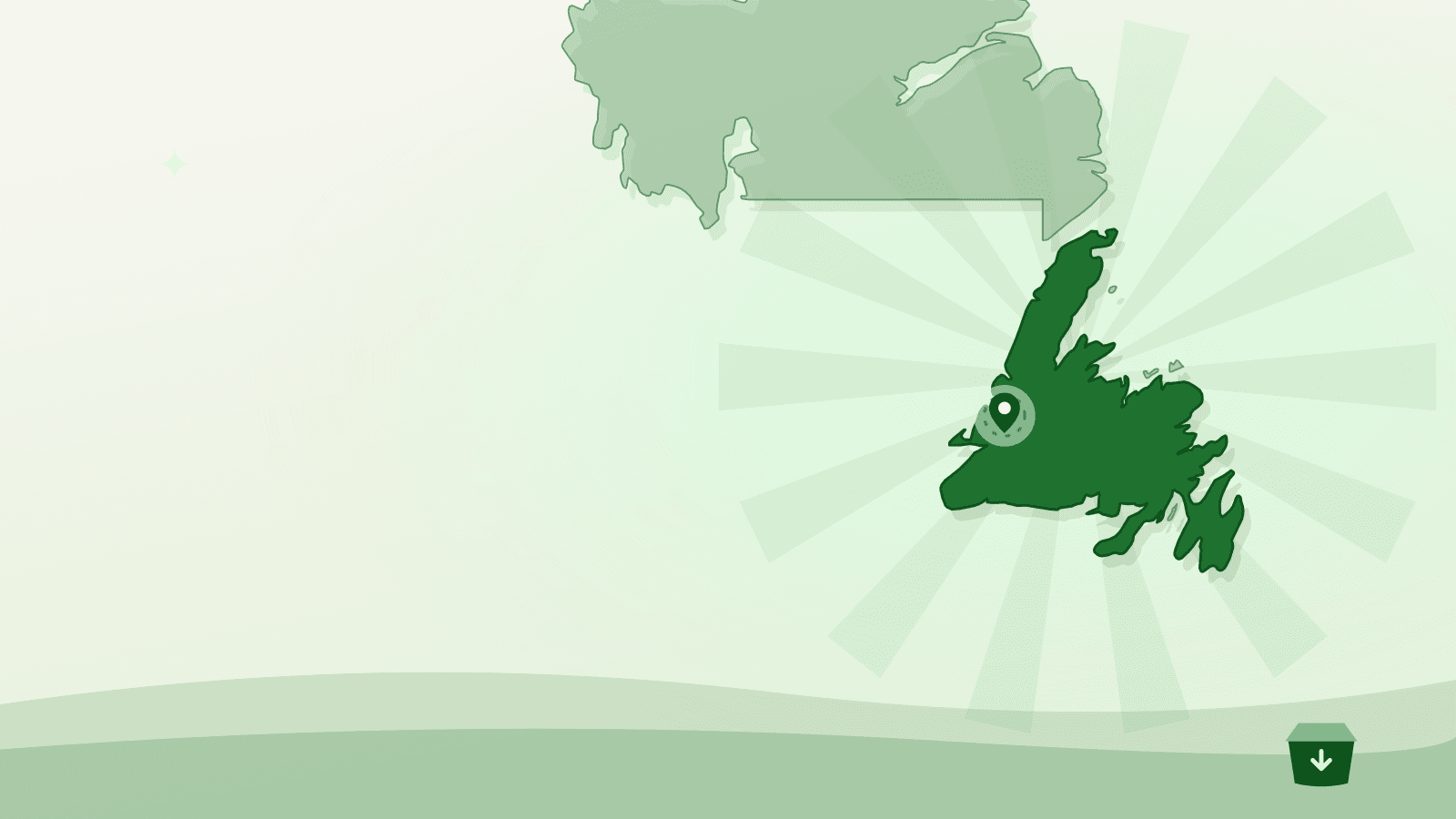
Food Web map
Food Banks and Local Food Assets in Corner Brook, Newfoundland
Community gardens are a big part of that picture: Vine Place, Reid Street, Humber Heights, Caribou Road, Blow Me Down, and the garden at the MUN Grenfell Campus Students' Union are all mapped. So are the farmers' markets — the West Coast Farmers Market at Deep Roots Farm & Market on West Street, the Western NL Food Hub on Broadway, and the Wonderful Fine Market — alongside the two food-bank organisations named above and the Friendship Room soup kitchen. A meaningful share of the remaining records are local businesses we have mapped but not yet classified, so they appear as uncategorised. The Corner Brook food map page keeps a live view of what has been recorded.
That combination — gardens, markets, a food hub, a soup kitchen and a hamper network — is what food access looks like when it is built out of community infrastructure rather than retail. Community gardens and markets are not emergency food, but they sit upstream of it, and in a city with no mapped grocer they carry more weight than they would elsewhere. We found a comparable pattern writing about food banks in Sydney, Nova Scotia, where nonprofits and community kitchens do much of the same work.
Running a program that needs kitchen time?
Soup kitchens, community meals and small food businesses all run on the same scarce resource: inspected kitchen time. You can browse commercial kitchens on Food Web to see what rents by the hour, though there are no enabled listings in Newfoundland and Labrador today, so the halls, churches and community centres you already know are the more realistic starting point. One rule to plan around: a Food Establishment Licence in this province can be issued to any premises involved in the sale, production, preparation, storage or distribution of food, and it cannot be transferred — so the licence belongs to whoever holds it, and using their room is an arrangement to agree in writing.
Frequently asked questions
- Who qualifies for a food bank in Corner Brook?
- Eligibility is set by each individual food bank rather than province-wide. The Community Food Sharing Association does not publish eligibility rules, referral requirements or visit limits on its site, because those decisions sit with the member food banks it supplies. Contact the Bay of Islands food bank network directly — through CFSA's Find Food directory or 211 Newfoundland and Labrador — and ask what you need to bring to a first visit.
- Is there a Salvation Army food bank in Corner Brook?
- The Salvation Army operates the Friendship Room Soup Kitchen at 177 O'Connell Drive in Corner Brook, which is a community meals program rather than a hamper service. Food hampers in this area come through the Bay of Islands food bank network. Because programs change, confirm what is currently offered before you travel.
- How do I find current food bank hours in Corner Brook?
- Neither Corner Brook food bank publishes a full public schedule, so hours are best confirmed by phone. The Community Food Sharing Association's Find Food directory lists food banks by region with a named contact and number for each, and 211 Newfoundland and Labrador maintains a referral directory of current community services. Call ahead rather than relying on a listing you found in a search result.
- How do I donate to a food bank in Corner Brook?
- You can give directly to the local food bank, or to the Community Food Sharing Association, which redistributes through the provincial network. CFSA accepts online donations, cheques mailed to 21 Mews Place, P.O. Box 6291, St. John's, NL A1C 6J9, and food dropped at its office, its warehouse at 66 Pippy Place, or at any food bank in the province. Its stated shopping list includes canned soup and stew, peanut butter, canned beans, pasta and rice, pasta sauce, canned meat and fish, canned vegetables and fruit, canned or powdered milk, cereal and baking supplies.
- Is food bank use rising in Newfoundland and Labrador?
- Yes. Food Banks Canada recorded 15,422 visits to food banks in the province in March 2025, 8.3% more than a year earlier and 44.1% more than in March 2019. Nationally, visits reached 2,165,776 in the same month, the highest number ever recorded and roughly double the 2019 figure.
Sources
- Community Food Sharing Association — Community Food Sharing Association
- Find Food directory — Community Food Sharing Association
- Canada's 2025 HungerCount — Food Banks Canada, Oct 27, 2025
- HungerCount 2025 — Food Banks Canada, Oct 27, 2025
- Food insecurity in Canada, 2024 — Statistics Canada, The Daily, Apr 29, 2026
- Food premises licence — Government of Newfoundland and Labrador

Written by
Justin Andrews
Kitchen access and local food infrastructure, Atlantic Canada
Justin Andrews is a chef-turned-founder who has spent the last decade working across farms, markets, restaurants, nonprofits, and academic research. He’s now the CEO of Food Web, a platform built to unlock underused commercial kitchens and strengthen local food systems. Justin writes about food, entrepreneurship, and the work of building resilient local economies.
Next step
See every food asset near you on one map
Commercial kitchens, farms, markets and processors, mapped and updated weekly.
No listing fees · 12% on completed bookings · Refunds inside the notice window